

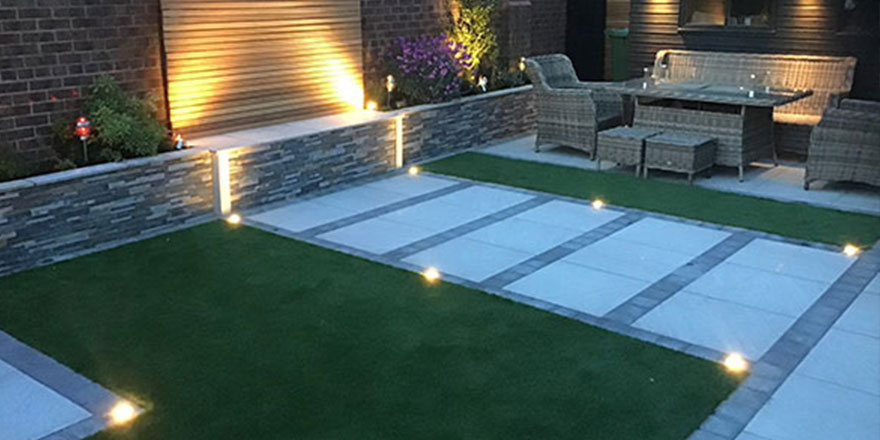
When it comes to creating a beautiful garden, size doesn’t always matter. Even the smallest spaces can be transformed into lush, functional outdoor havens with a little creativity and smart design. Whether you’re working with a compact backyard, a balcony, or a tiny courtyard, the principles of maximizing space apply. Here’s how you can design a small garden that’s as beautiful as it is practical.
1. Start with a Plan: Define Your Needs and Priorities
Before you begin planting or installing hardscaping features, take a moment to think about what you truly want from your garden.
- Do you want a relaxing oasis?
- A space for entertaining guests?
- A kitchen garden with fresh herbs and veggies?
Once you’ve identified your goals, map out your space. Even in tight quarters, it’s essential to understand how different elements—plants, furniture, paths—will interact. Sketching a rough plan will help you visualize the final result and prevent over-crowding.
2. Use Vertical Space: Grow Up, Not Out
When you’re working with limited space, think vertically. Maximizing vertical real estate allows you to add greenery without sacrificing floor space.
- Climbing Plants & Vines: Try vertical climbing plants like ivy, jasmine, or clematis to cover walls, fences, and trellises.
- Wall Planters: Install small shelves or wall-mounted pots to grow herbs, succulents, or trailing plants.
- Vertical Gardens: Consider installing a vertical garden system, which uses stacked layers of planters to create a lush, green wall.
These options not only make your garden feel larger but also create a sense of depth and dimension.
3. Opt for Multi-Functional Furniture
When space is at a premium, choose furniture that serves more than one purpose. Instead of traditional seating, think of built-in benches with storage beneath or foldable tables that can be tucked away when not in use.
- Storage Benches: These are perfect for storing gardening tools, cushions, or other items while offering seating space for guests.
- Convertible Furniture: Folding chairs and tables allow you to create extra room when you need it, perfect for a small garden that also doubles as an entertaining area.
- Stackable or Nesting Furniture: These can be neatly stowed away when not in use, allowing you to maximize the area for activities or greenery.
4. Embrace Compact and Dwarf Plants
When choosing plants for a small garden, it’s essential to select varieties that won’t overwhelm the space. Look for compact, low-maintenance, or dwarf versions of your favorite flowers, shrubs, and trees.
- Dwarf Trees: Consider varieties like dwarf Japanese maples, which offer stunning foliage and architectural appeal without dominating the space.
- Compact Shrubs & Perennials: Smaller shrubs, such as boxwoods or lavender, can provide structure and color without overwhelming the design. Perennials like geraniums and daylilies work wonders in small garden beds and offer year-round interest.
- Succulents & Cacti: For low-maintenance greenery that adds texture and color, succulents and cacti are perfect, especially for sun-soaked spaces.
Choosing the right plants ensures that your small garden doesn’t feel cramped or overgrown. Instead, it’ll have a harmonious, curated feel.
5. Create Layers with Plants and Hardscaping
In small spaces, creating layers can make the garden feel larger. By varying the height and depth of plants and hardscaping elements, you add depth and visual interest.
- Use Raised Beds: Raised garden beds, especially if they’re tiered, help create a sense of structure while allowing for more efficient use of space.
- Add Pathways: Even a narrow path made of stepping stones or gravel can help guide the eye around the space and prevent the area from feeling crowded. Paths also lead visitors to different parts of the garden, giving the illusion of a larger area.
- Overlapping Planting: Group plants in clusters with varying heights. Taller plants in the back (or against fences/walls) and smaller ones in the front will keep the garden feeling dynamic.
6. Incorporate Mirror Effects
Mirrors can be a game-changer in small gardens. Strategically placing mirrors on walls or fences can create the illusion of greater depth and reflect greenery, making the space feel larger than it is.
- Reflective Surfaces: Consider using mirrored furniture or decor elements to bounce light around, further enhancing the feeling of spaciousness.
- Garden Mirrors: A carefully placed mirror reflecting greenery or a water feature can transform a small space into a visually stunning garden.
7. Use Smart Lighting
Lighting can make all the difference in a small garden, not just for nighttime ambiance but also for making the space feel larger and more inviting. Here are some tips:
- Fairy Lights & String Lights: Drape them over fences, plants, or trellises for a magical, cozy atmosphere.
- Spotlights: Highlight key elements of your garden, like a favorite plant or small sculpture, using small, adjustable spotlights.
- Lanterns or Solar Lights: They can be scattered around paths or nestled in plantings for both functionality and aesthetic appeal.
Proper lighting will make your small garden shine, quite literally, after dark.
8. Go for Minimalism: Less is More
When designing a small garden, the adage “less is more” holds true. Avoid overcrowding your space with too many different plants, decorations, or furniture pieces. Instead, focus on a few key elements that are thoughtfully placed.
- Simplify the Design: Stick to one or two main plant types, and use repetition to create a cohesive and clean design.
- Negative Space: Don’t feel the need to fill every inch of the garden with something. Empty space can make the garden feel more expansive and visually appealing.