

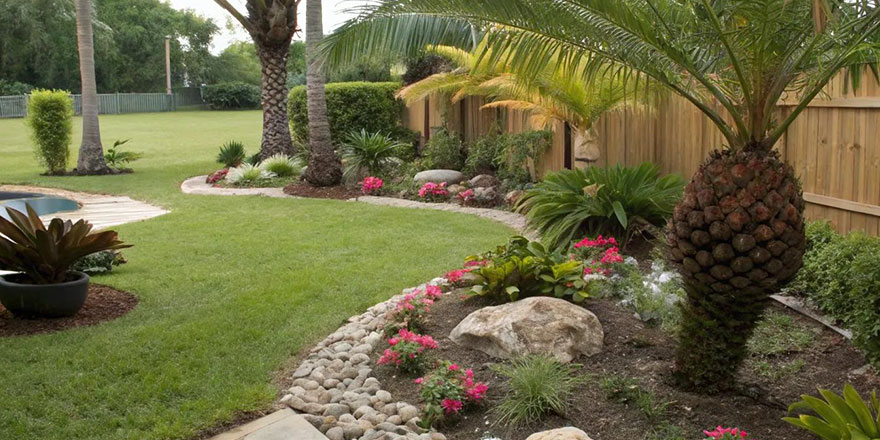
Simple Tips to Keep Your Garden Healthy and Beautiful Year-Round
A well maintained garden doesn’t just look great, it thrives. Whether you’re tending a small backyard flower bed or a large landscape full of trees and shrubs, consistent garden maintenance is key to keeping your outdoor space vibrant, healthy, and inviting.
In this post, we’ll walk you through essential garden maintenance tasks, tips for each season, and easy practices that can help you stay ahead of potential problems. Let’s dig in!
Why Garden Maintenance Matters
Regular garden maintenance isn’t just about appearances. It’s about:
- Encouraging healthy plant growth
- Preventing pest infestations and disease
- Protecting your investment in landscaping
- Creating a relaxing, beautiful space to enjoy
Whether you’re a hands-on gardener or prefer to hire help, understanding the basics of maintenance ensures your garden stays in top shape all year long.
Essential Garden Maintenance Tasks
Here’s a breakdown of the key tasks every gardener should keep up with:
Watering Wisely
Watering is one of the most important aspects of garden care, but overwatering is just as harmful as underwatering.
- Water early in the morning or late afternoon to reduce evaporation.
- Use soaker hoses or drip irrigation systems for efficient watering.
- Adjust watering frequency based on weather, season, and soil type.
- Water deeply and less frequently to encourage strong root systems.
Pruning and Deadheading
Pruning keeps plants tidy, encourages new growth, and helps prevent disease.
- Deadhead flowers regularly to extend blooming.
- Prune shrubs and trees at the appropriate times for their species.
- Remove dead, diseased, or damaged branches as soon as you notice them.
- Clean tools between cuts to avoid spreading plant diseases.
Feeding the Soil
Healthy soil yields to healthy plants.
- Add compost or organic matter to enrich your soil.
- Apply slow-release or organic fertilizers based on plant needs.
- Test your soil occasionally to check pH levels and nutrient content.
Pest and Disease Control
The sooner you catch a problem, the easier it is to fix.
- Inspect plants regularly for signs of pests or disease (wilting, spots, holes).
- Encourage beneficial insects like ladybugs and bees.
- Use natural remedies or targeted organic solutions when needed.
- Remove diseased plants or leaves promptly to prevent spreading.