

When you think of swimming pools, images of crystal-clear water, sunshine, and relaxation often come to mind. But behind the scenes, pools can consume a significant amount of energy and water, leading to higher costs and environmental impact. Fortunately, designing an energy-efficient pool doesn’t mean sacrificing luxury or style. With the right features and planning, you can create a pool that’s both green and cost-effective, reducing your carbon footprint and your utility bills.
Here is how you can build an energy-efficient swimming pool that is as environmentally friendly as it is enjoyable.
Opt for a Pool with a Smaller Footprint
The larger your pool, the more energy it will require to maintain the water temperature, circulate the water, and keep it clean. By opting for a smaller pool, you will naturally reduce your energy usage. Smaller pools heat up and cool down faster, and their smaller surface area means less water to filter and treat.
If space is tight, consider a spool (a combination of a spa and pool) that allows you to have a relaxing, energy-efficient pool experience in a smaller package. You get the benefits of a pool with much less energy and water consumption.
Use Energy-Efficient Pumps and Filtration Systems
Traditional pool pumps can be power-hungry and inefficient, but variable-speed pumps are a game changer. These pumps use less energy by adjusting their speed to the specific needs of the pool, whether you’re circulating water, filtering, or using the heater. This can result in energy savings of up to 90% compared to single-speed pumps.
When choosing a filtration system, go for one with an energy efficient motor that operates quietly and uses less electricity while providing effective filtration. Solar powered pool filtration systems are another sustainable option, allowing you to harness the sun’s power to keep your pool clean without contributing to your electricity bill.
Invest in an Automated Pool Cover
Automated pool covers are one of the best investments you can make for reducing pool energy costs. These covers help retain heat and prevent debris from entering the pool, reducing the need for heating and cleaning. By keeping your pool covered when it’s not in use, you can lower your heating costs by up to 70%. The cover also keeps the pool water cleaner, which reduces the energy required to run your filtration system. Plus, it helps to maintain the water’s chemical balance, saving you on chemicals and water treatments. Automated covers are also incredibly convenient, offering easy opening and closing with just the press of a button.
Install Energy-Efficient Pool Lighting
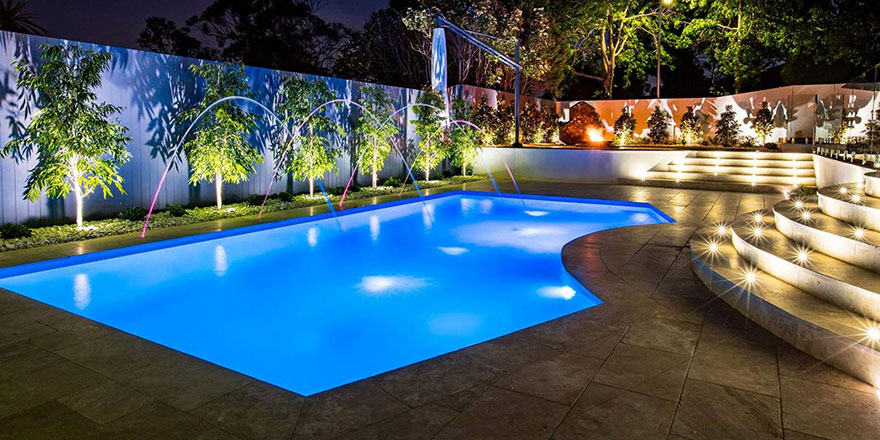
Lighting is an often-overlooked energy drain in pool design, but modern LED pool lights have revolutionized energy-efficient lighting. LED lights use a fraction of the energy compared to traditional incandescent lights, while still providing beautiful illumination for your pool area.
You can also smartly place lighting around your pool to reduce the number of lights needed. Focus on lighting key features like walkways, steps, and water features, rather than flooding the entire area with light.